
Thyroid changes after birth: understanding weight, mood and energy postpartum
- 1 day ago
- 6 min read
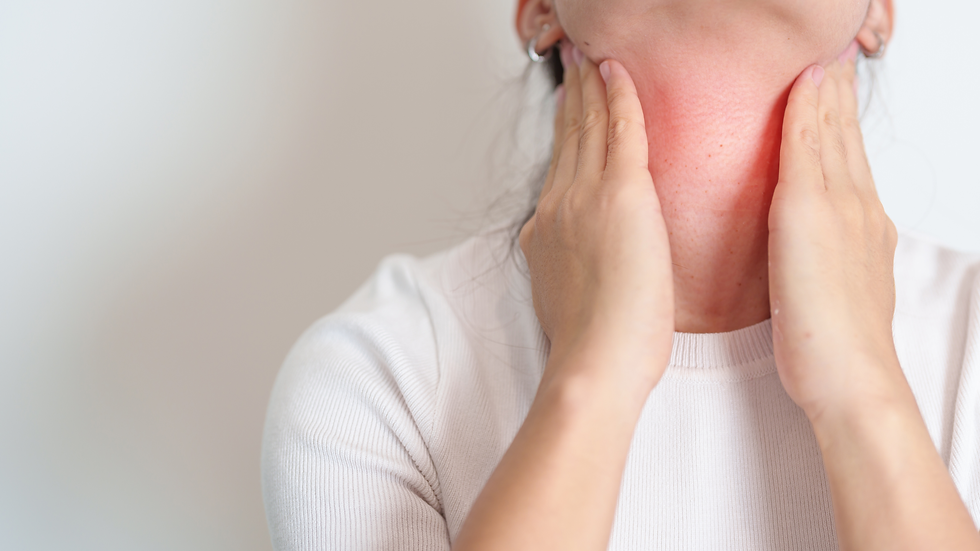
Recovery after birth is different for everyone. While tiredness, mood changes, and fluctuations in weight are common in the months after delivery, sometimes these symptoms can be caused by an underlying medical condition rather than the normal demands of caring for a baby. When that does not happen, when fatigue persists, mood remains low, or weight shifts in ways that do not make sense, the explanation is often assumed to be sleep deprivation, the demands of new parenthood, or simply taking longer than expected to adjust.
For some women and birthing parents, persistent fatigue, low mood and unexplained weight changes have a physiological cause. In some cases, they can be the result of thyroid dysfunction, a surprisingly common condition in the first year after birth.
What is the thyroid?
The thyroid is a small butterfly-shaped gland at the front of the neck. It produces hormones that regulate metabolism, energy production, body temperature, heart rate, and mood. When it functions as it should, most people are entirely unaware of it.
When it does not, the effects are wide-ranging and can be profound.
What pregnancy does to the thyroid
Pregnancy places significant demand on the thyroid. The gland has to increase its hormone production substantially during pregnancy often by around 50% to support both the developing baby and the physiological changes of pregnancy. For most people, the thyroid adapts to this demand without difficulty.
But pregnancy also triggers significant changes in immune function. The immune system modulates during pregnancy to protect the developing baby. After birth, as those immune changes reverse, some people experience an inflammatory response in the thyroid gland. This is called postpartum thyroiditis.
What is postpartum thyroiditis?
Postpartum thyroiditis is an inflammatory condition affecting the thyroid gland that develops in the months following birth. It is caused by inflammation of the thyroid and is more common in people with thyroid antibodies, a personal or family history of thyroid conditions, or other autoimmune conditions such as type 1 diabetes or coeliac disease.
Estimates suggest it affects approximately 5 to 10% of people in the first year after birth, though some research suggests rates may be higher because many cases go undiagnosed. In many cases, thyroid function eventually returns to normal although some can go on to develop permanent hypothyroidism and require long-term treatment.
How it presents
Postpartum thyroiditis often, though not always, follows a two-phase pattern.
In the first phase, the thyroid becomes overactive as inflammation causes stored thyroid hormone to be released into the bloodstream. This phase typically occurs between one and four months after birth and can cause palpitations, anxiety, irritability, heat sensitivity, tremor, and unexplained weight loss. Because these symptoms can overlap with general postnatal anxiety or the physical demands of early parenthood, they are frequently not investigated.
In the second phase, the thyroid becomes underactive as hormone stores are depleted and the gland is unable to produce sufficient thyroid hormone. This phase typically occurs between four and eight months after birth and can cause fatigue, low mood, brain fog, weight gain, feeling cold, constipation, and hair loss.
Not everyone experiences both phases. Some people experience only the overactive phase, some only the underactive phase, and some experience neither but develop permanent thyroid dysfunction over time. The pattern and severity vary considerably between individuals.
Why it is so frequently missed
The symptoms of postpartum thyroiditis are among the most common complaints of new parenthood.
Fatigue is assumed to be the result of broken sleep. Low mood is attributed to adjustment or postnatal depression. Brain fog is put down to exhaustion. Weight changes are attributed to diet and activity. Hair loss is attributed to the expected postnatal shedding that occurs in the months after birth.
None of these attributions are unreasonable. But they can become a barrier to investigation when a thyroid condition is the actual clinical explanation which is why it may be worth discussing with a healthcare professional if they are persistent, severe, or worsening.
There is also no routine screening for postpartum thyroiditis in the UK. Unless a clinician specifically requests a thyroid function test, the condition will not be identified. Many people go months or longer without a diagnosis, continuing to experience significant symptoms without understanding the cause.
Who is at higher risk
You may be at higher risk of postpartum thyroiditis if you:
Have thyroid antibodies, specifically thyroid peroxidase antibodies, which can be identified through a blood test. People with these antibodies have a significantly higher risk of developing postpartum thyroiditis.
Have a personal history of thyroid conditions, including a previous episode of postpartum thyroiditis, hypothyroidism, or hyperthyroidism.
Have a family history of thyroid conditions.
Have another autoimmune condition, such as type 1 diabetes, coeliac disease, or rheumatoid arthritis.
What investigation looks like
Postpartum thyroiditis is identified through a combination of symptoms timing after pregnancy and blood tests measuring thyroid stimulating hormone, known as TSH, alongside free T4 and free T3 where indicated. These are standard tests that any GP can request, and form part of the Hesta Health Check blood panel.
If you are several months postpartum and experiencing persistent fatigue, significant mood changes, unexplained weight shifts, brain fog, or prolonged hair loss, asking your GP for a thyroid function test is a reasonable and straightforward step. You do not need a specialist referral to request this test, and you do not need to be certain your thyroid is involved.
It is worth being specific when you speak to your GP. Describe the symptoms clearly, note how long they have been present, and ask explicitly for thyroid function to be included in the investigation. It may also be appropriate to investigate other common postnatal causes of fatigue and hair loss such as iron deficiency.
What happens after diagnosis
For many people, postpartum thyroiditis resolves without treatment within twelve to eighteen months. However, an estimated 20 to 40% of people who develop the underactive phase go on to develop permanent hypothyroidism, meaning thyroid function does not return to a typical range without ongoing support. This makes early identification clinically meaningful, even when the immediate next step is monitoring rather than treatment.
During the underactive phase, hypothyroidism is typically treated with levothyroxine, a synthetic thyroid hormone replacement. This is a well-established treatment that most people tolerate well and which can make a significant difference to how someone feels. Levothyroxiine is compatible with breastfeeding.
Treatment during the overactive phase is less common, as it tends to be temporary, treatment is often focused on symptom control rather than correcting thyroid hormone levels.
A note on hair loss
Hair loss can be one of the most distressing symptoms associated with postpartum thyroid changes, and it is worth addressing separately.
Some hair shedding between two and six months after birth is common and relates to the hormonal shifts following delivery rather than thyroid dysfunction specifically. This is sometimes called telogen effluvium and in most cases gradually improves over several months.
But hair loss that is prolonged, more extensive than expected, or continues beyond six months postpartum may indicate thyroid dysfunction or iron deficiency, both of which are identifiable through blood tests. If hair loss is affecting you, it is worth mentioning specifically when you speak to your GP, as it is a clinically useful symptom when assessing thyroid function.
Women who have experienced postpartum thyroiditis have a higher chance of developing it again after future pregnancies and may benefit from monitoring in subsequent postnatal periods.
What proactive care looks like
If you are several months postpartum and something isn't feeling right, the following steps are worth taking:
Ask your GP for a thyroid function test, specifically requesting TSH, free T4,and your clinician may also consider thyroid antibody testing depending on your symptoms and family history.
Keep a note of your symptoms, including when they started and how they have changed over time. This information is useful for a clinical assessment.
If you have had a previous episode of postpartum thyroiditis or have known thyroid antibodies, ask your GP about monitoring arrangements in this postnatal period.
If you want a more comprehensive picture of your postnatal health, the Hesta Health Check includes thyroid function as part of a broader assessment of clinical markers associated with postnatal symptoms.
Written by Hesta Health and validated by a registered postnatal GP.


Comments