
Caesarean recovery beyond 12 weeks: what to expect and how healing continues
- Apr 15
- 5 min read

(If your scar doesn't look like this, don't panic. Read on to find out what to expect after a c section.) Many people are familiar with the six-week postnatal check, and it is sometimes treated as the point when healing is complete. When a baby is born by caesarean section, the expectation can be similar: once the incision has healed and the early weeks have passed, recovery should be finished.
In reality, recovery after a caesarean birth takes considerably longer. A caesarean section is major abdominal surgery, and healing continues for many months after the procedure. By twelve weeks after caesarean birth, many people are feeling much stronger than they did in the early weeks, but it is still very common to notice changes in how the body feels and moves.
Understanding what recovery can look like beyond the first three months can help make these experiences feel more expected and less concerning.
Understanding what happens during a caesarean section
During a caesarean birth, several layers of tissue are carefully opened to reach the uterus and deliver the baby. These layers include the skin, fat, different types of connective tissue (known as fascia), the abdominal muscles and finally, the uterus.
When we talk about a caesarean scar, we are usually referring to the incision in the skin. However, deeper structures are also healing at the same time. Nerves affected during surgery also need time to regenerate.
Because of this, the body continues adapting and healing well beyond the first twelve weeks after birth.
Common sensations months after a caesarean
Many women and birthing parents notice different sensations around the scar or lower abdomen months after surgery. These can feel unexpected, particularly if the incision itself looks well healed.
One of the most common sensations is tightness across the lower abdomen. This may be noticeable when standing up, stretching, reaching overhead or changing position. Some people describe a pulling sensation across the scar during certain movements.
Numbness around the incision is also very common. During surgery, small sensory nerves in the skin are affected as the incision is made. These nerves gradually regenerate, but the process is slow. It is not unusual for altered sensation around the scar to persist for several months or longer.
Another common experience is a feeling of weakness through the abdominal wall. The core muscles may feel less stable than before pregnancy, and movements such as getting out of bed or lifting your baby may require more effort than expected.
It can take time for you to rebuild your core strength, and physiotherapy can really help.
Scar tissue and mobility
As the body heals after a caesarean birth, scar tissue forms as part of the natural repair process. Scar tissue is important for healing, but it behaves differently from surrounding tissue.
Compared with the surrounding skin and connective tissue, scar tissue can feel tighter and less elastic. This is one reason some people notice pulling sensations around the scar during movement.
Over time, the body gradually remodels scar tissue. Gentle movement and a gradual return to normal activity can help the tissues regain flexibility. Once the incision has fully healed, some women and birthing parents also find that gentle scar massage can improve comfort and mobility in the surrounding area.
If scar discomfort is persistent or limiting movement, assessment by a pelvic health physiotherapist can be helpful.
Abdominal strength and core recovery
Pregnancy places significant strain on the abdominal wall and core muscles. During a caesarean birth, these tissues are also affected by the surgical incision.
Rebuilding abdominal strength therefore takes time. At around three months after birth, the core muscles are still regaining coordination and stability.
Many women and birthing parents tell usme they are surprised by how weak their abdomen feels after a caesarean birth. Movements that once felt simple, such as standing up quickly or lifting objects, can feel different during the recovery period.
Gradual strengthening exercises, and attention to breathing and movement patterns can help restore stability over time. In some cases, professional guidance from a physiotherapist can be helpful in ensuring exercises are appropriate for the stage of recovery.
Returning to exercise after a caesarean
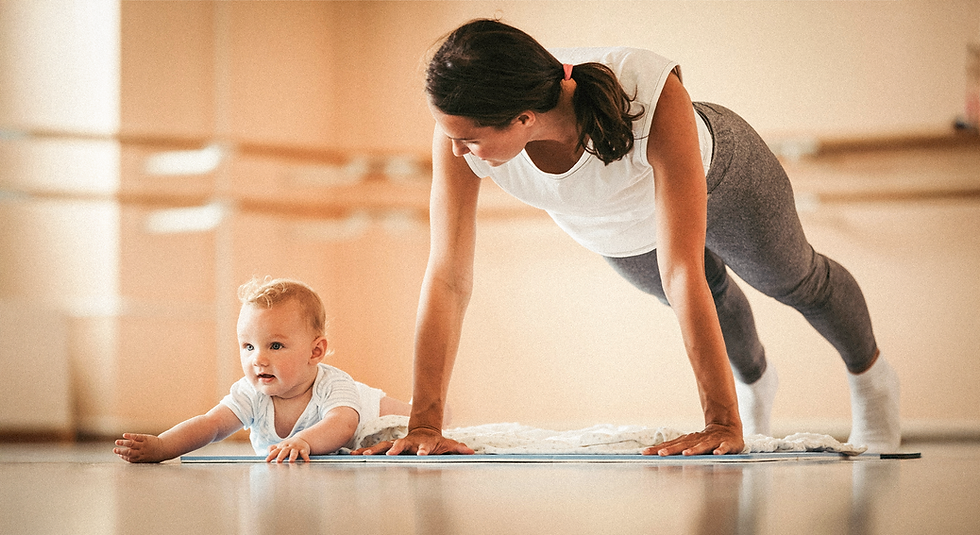
By three to four months postpartum, many women and birthing parents are thinking about returning to more structured exercise; but also many are not too! Physical activity can be an important part of recovery, but it is important to recognise that the body is still healing.
Higher-impact activities such as running, jumping or heavy lifting place significant pressure through the abdominal wall and pelvic floor. If the muscles have not yet regained adequate strength, these activities may feel uncomfortable or lead to symptoms such as pulling sensations or pelvic pressure.
A gradual return to exercise is usually the safest approach. Starting with lower-impact activities such as walking, gentle strength work and mobility exercises can help rebuild strength before progressing to more demanding activities.
Listening to the body’s signals during this stage is important. Pain, persistent pulling sensations or unusual discomfort during movement may indicate that the body needs more time or support.
When to seek further support
While many sensations months after a caesarean are part of normal healing, there are times when it is sensible to seek further assessment.
Increasing pain around the scar, significant swelling, redness, oozing, fever, wound opening or symptoms that worsen rather than improve should be discussed with a healthcare professional.
Similarly, if abdominal weakness or discomfort is limiting everyday activity, professional guidance can help identify strategies to support recovery.
Pelvic health physiotherapists are trained to assess abdominal healing, scar mobility, core function, and pelvic floor recovery after birth. Their support can be particularly helpful when returning to exercise, returning to intimacy or managing ongoing symptoms.
Why recovery timelines vary
Recovery after a caesarean birth varies between individuals. Factors such as pregnancy history, the circumstances of the birth, previous abdominal surgery and overall health can all influence healing.
The realities of early parenthood can also affect recovery. Sleep disruption, frequent lifting and the demands of caring for a newborn place ongoing strain on the body.
Because of this, recovery after a caesarean birth rarely follows a simple timeline.
Pregnancy after a caesarean birth
We recommend waiting 12-18 months after birth to be pregnant again. This is to allow for the complete healing of the uterus and internal tissues, so it can then support another pregnancy.
A final word
If you are more than twelve weeks postpartum after a caesarean birth and still noticing changes in how your abdomen feels or moves, you are not alone. Many women and birthing parents experience sensations such as tightness, numbness or reduced strength during this stage of recovery; your body is still adapting and rebuilding.
In most cases, these experiences reflect the normal process of healing after major abdominal surgery.
At the same time, recovery should gradually move in the direction of improvement. When symptoms persist, are severe or are not improving, impacting on your daily life, appropriate assessment and support can make a meaningful difference in rebuilding your body.
Postnatal recovery does not end at six or twelve weeks. Allowing the body time to heal, rebuild strength and regain confidence in movement is an important part of long-term health and wellbeing after birth.
Written by Dr Sujitha Selvarajah, Co-Founder of Hesta Health

Comments